Chinese cross-border e-commerce continues to expand in Europe, but increasing regulatory pressure, customs reforms and consumer protection requirements are reshaping the operating model for sellers.
Spain and Europe remain key destinations for Chinese cross-border e-commerce, with platforms such as AliExpress, Shein, Temu and TikTok Shop achieving significant market penetration. However, 2025–2026 marks a turning point in the regulatory landscape.
The EU customs reform, in force since 2025, has eliminated the VAT exemption for packages under €22 and reinforced product safety controls. The Digital Markets Act (DMA) and Digital Services Act (DSA) impose new obligations on large platforms, including algorithmic transparency and liability for illegal content.
For Chinese sellers, this means a fundamental transformation: EU tax registration (via OSS/IOSS), CE product compliance, higher compliance costs and adaptation to European consumer protection standards.
Companies that successfully adapt will gain a significant competitive advantage. Reputation, delivery reliability and regulatory compliance are becoming key differentiating factors in the European market.
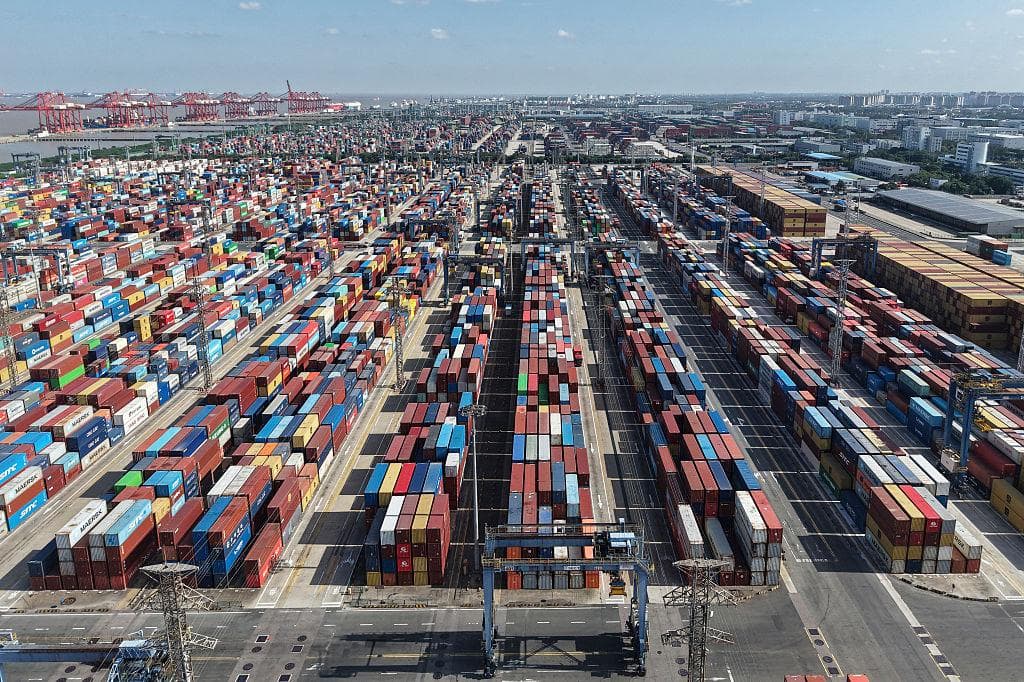
From a customs perspective, overseas-warehouse models allow goods to be shipped in bulk and cleared locally, cutting delivery times from weeks to days. Spain — with the ports of Valencia, Algeciras and Barcelona and a location that connects southern Europe, North Africa and Latin America — has become a particularly attractive logistics hub for such distribution centres.
To operate steadily, a Chinese company usually needs a local structure: incorporating a limited company (S.L.), obtaining a tax number (NIF), registering in the business census, enrolling in the Register of Intra-Community Operators (ROI) for EU sales, and obtaining an EORI number for customs operations. Each of these steps has tax and compliance implications best planned in advance.
An often-underestimated issue is the risk of a "permanent establishment": when activity in Spain goes beyond mere importing and reaches a stable operational presence (own warehouse, staff, order management), the company may become liable for Spanish corporate income tax on the profits attributable to that activity. Proper planning of the corporate structure and of transfer pricing between parent and subsidiary is essential to avoid contingencies.
Iberex Spain helps Chinese companies structure their legal and tax presence in Spain and the EU, including VAT registration, company formation, distributor contracts and digital compliance advisory. Contact us to explore how to optimise your European operations.